How Long To Wear Compression Bra After Mastectomy? Complete Guide
Mastectomy surgery marks a significant step in cancer treatment, but the recovery process requires careful attention to post-operative care. Among the various aspects of healing, proper chest support plays a crucial role in ensuring optimal recovery outcomes.
Compression bras have become an essential component of post-mastectomy care, offering both medical benefits and emotional comfort during the healing journey.

The transition from surgery to recovery involves numerous decisions about care, comfort, and daily activities. Patients often face uncertainty about which garments to choose, how long to wear compression bra after mastectomy, and what to expect during the healing process.
Let’s address these concerns by providing detailed information about compression bras specifically designed for post-mastectomy recovery.
What Is a Compression Bra?
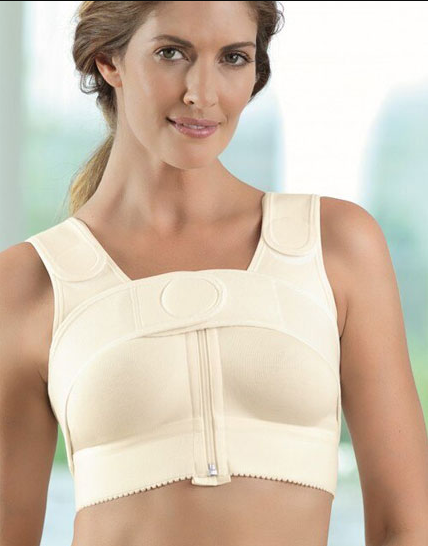
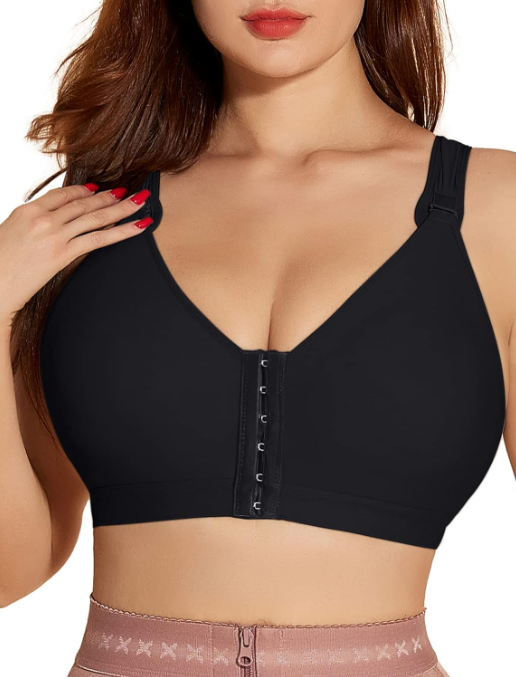
A compression bra is a specialized medical garment designed to provide gentle, consistent pressure to the chest area after mastectomy surgery. Unlike regular bras, these garments feature soft, seamless construction with front closures and adjustable straps to accommodate post-surgical sensitivity and swelling.
The primary purpose of a compression bra centers on supporting the healing process by reducing fluid accumulation, minimizing swelling, and protecting surgical sites from friction or movement that could disrupt recovery. Medical professionals often recommend these garments as part of the standard post-operative care protocol.
Duration of Wear: Timeline and Recommendations
Immediate Post-Surgery Phase (Days 1-14)
During the first two weeks after surgery, patients typically wear compression bras continuously, removing them only for showering or wound care. This constant support helps control post-operative swelling and provides comfort during the most vulnerable healing period.
Extended Recovery Phase (Weeks 2-8)
Most surgeons recommend wearing compression bras for 6-8 weeks total, though individual healing rates may vary. After the first two weeks, patients may gradually reduce wear time, transitioning to 12-16 hours daily rather than continuous use.
Factors Affecting Duration
Several elements influence how long compression bras should be worn:
- Surgical complexity: Extensive procedures may require longer compression periods
- Individual healing rate: Some patients heal faster than others
- Presence of complications: Infections or delayed healing extend wear time
- Surgeon preferences: Different medical professionals have varying protocols
- Patient comfort: Some individuals benefit from extended use for comfort
Proper Fitting and Wearing Techniques
Sizing Considerations
Proper fit is crucial for effectiveness and comfort. Post-surgical swelling means that pre-surgery bra sizes may no longer apply. Most patients require professional fitting or consultation with their medical team to determine appropriate sizing.
Putting On the Garment
- Front closure method: Most compression bras feature front hooks or zippers for easy application
- Gentle positioning: Slide arms through straps carefully, avoiding sudden movements
- Gradual adjustment: Tighten closures incrementally to achieve comfortable compression
- Strap positioning: Ensure straps sit comfortably without digging into shoulders
Daily Wear Guidelines
- Consistent pressure: The bra should provide firm but not painful compression
- Skin checks: Regularly inspect skin for irritation or pressure marks
- Hygiene maintenance: Change bras daily or as recommended by medical staff
- Activity modification: Avoid lifting or stretching movements that could shift the garment
Essential Features to Look For
Material Quality
High-quality compression bras use breathable, moisture-wicking fabrics that prevent skin irritation. Cotton blends or specialized medical textiles often provide the best comfort and durability.
Design Elements
- Seamless construction: Reduces friction against sensitive skin
- Front closure systems: Eliminates need to lift arms overhead
- Adjustable straps: Accommodates changing body dimensions during healing
- Pockets for prosthetics: Some models include built-in spaces for breast forms
Compression Levels
Different garments offer varying compression intensities. Light compression suits early recovery, while moderate compression may be appropriate for later healing phases.
Care and Maintenance
Washing Instructions
Proper care extends garment life and maintains hygiene standards:
- Hand washing: Gentle cleaning prevents fabric damage
- Mild detergents: Avoid harsh chemicals that could irritate sensitive skin
- Air drying: Heat from dryers can damage elastic fibers
- Multiple garments: Having 2-3 bras allows for rotation during washing
When to Replace
Signs that indicate replacement needs include:
- Loss of elasticity or compression
- Visible wear or fabric breakdown
- Changes in body size requiring different fit
- Persistent odors despite proper washing
Potential Benefits and Considerations
Therapeutic Benefits
Compression bras offer numerous advantages during recovery:
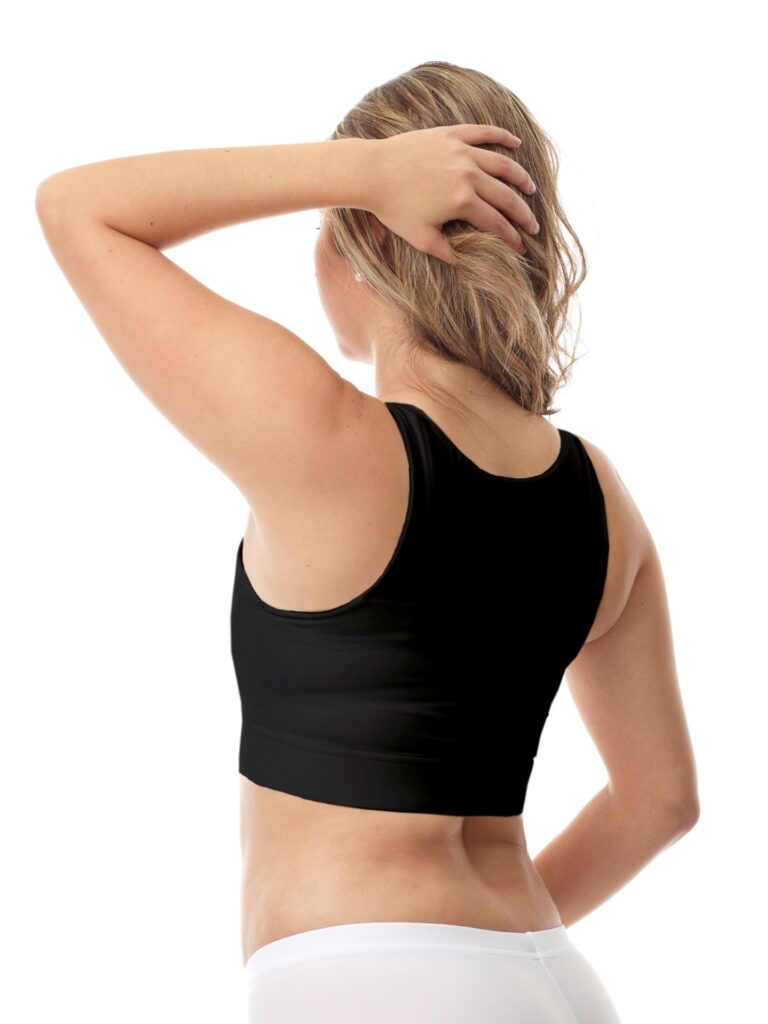
- Reduced swelling: Consistent pressure helps prevent fluid accumulation
- Pain management: Gentle support can alleviate discomfort
- Improved circulation: Proper compression promotes blood flow
- Psychological comfort: Provides sense of security and normalcy
Possible Drawbacks
Some patients may experience:
- Skin irritation: Particularly if the garment doesn’t fit properly
- Restriction of movement: May limit some daily activities
- Temperature regulation issues: Some materials can cause overheating
- Adjustment period: Takes time to become comfortable with continuous wear
When to Consult Your Medical Team
Certain situations require immediate medical attention:
- Severe pain: Compression should provide comfort, not cause distress
- Skin breakdown: Redness, sores, or irritation that doesn’t resolve
- Excessive swelling: Sudden increase in swelling despite proper compression
- Signs of infection: Fever, unusual discharge, or increasing redness
- Breathing difficulties: Compression should never impede breathing
Frequently Asked Questions
How tight should a compression bra feel?
The garment should provide firm, even pressure without causing pain or restricting breathing. You should be able to slide two fingers under the band comfortably. If the bra leaves deep marks on your skin or causes numbness, it’s too tight.
Can I sleep in a compression bra?
Yes, most patients are advised to wear compression bras continuously during the first weeks after surgery, including during sleep. The garment provides important support and protection during nighttime movements.
What if my compression bra becomes uncomfortable?
Discomfort may indicate poor fit, skin irritation, or changes in swelling. Contact your medical team if discomfort persists. You may need a different size or style of bra.
When can I switch to a regular bra?
Most patients can transition to regular bras after 6-8 weeks, once cleared by their surgeon. However, many continue wearing compression bras for additional comfort and support during physical activities.
How many compression bras do I need?
Most patients benefit from having 2-3 compression bras to allow for washing and rotation. This ensures you always have a clean, dry garment available.

Can I exercise while wearing a compression bra?
Light activities like walking are generally acceptable, but avoid vigorous exercise until cleared by your medical team. The compression bra should provide adequate support during approved activities.
What if I develop a rash or skin irritation?
Remove the bra immediately and examine your skin. Clean the area gently and allow it to air dry. If irritation persists or worsens, contact your healthcare provider. You may need a different fabric or fit.
Are there different types of compression bras?
Yes, compression bras come in various styles, including post-surgical bras, sports bras designed for recovery, and specialty garments for specific procedures. Your medical team can recommend the most appropriate type for your situation.
How do I know if my compression bra is working properly?
An effective compression bra should reduce swelling, provide comfort, and stay in position throughout the day. You should notice decreased fluid accumulation and improved comfort compared to not wearing compression.
What should I do if my compression bra breaks or fails?
Have a backup bra available for such situations. If your primary bra fails, switch to the backup immediately and contact your medical supplier or healthcare provider for a replacement. Don’t go without compression during the recommended healing period.
Conclusion
Recovery after mastectomy surgery requires patience, proper care, and the right support garments. Compression bras play a vital role in promoting healing, reducing complications, and providing comfort during this challenging time.
By selecting the appropriate garment, wearing it correctly, and maintaining open communication with your medical team, you can optimize your recovery experience.
The journey to healing is personal and unique for each individual. While compression bras are an important tool in post-surgical care, they work best when combined with proper rest, nutrition, and adherence to your surgeon’s complete recovery plan.
Take time to care for yourself during this period, and don’t hesitate to reach out to your healthcare providers with any questions or concerns that arise during your recovery process.