



How To Sew In Bra Cups

How To Sew In Bra Cups? Easy Hacks

Sewing bra cups into dresses, tops, and swimwear can transform your wardrobe. This technique gives you built-in support without visible bra lines or straps. Many sewists find this intimidating at first, but with the right approach, you’ll master it quickly.

How To Sew In Bra Cups

What You’ll Need To Add Bra Cups to Your Garments?

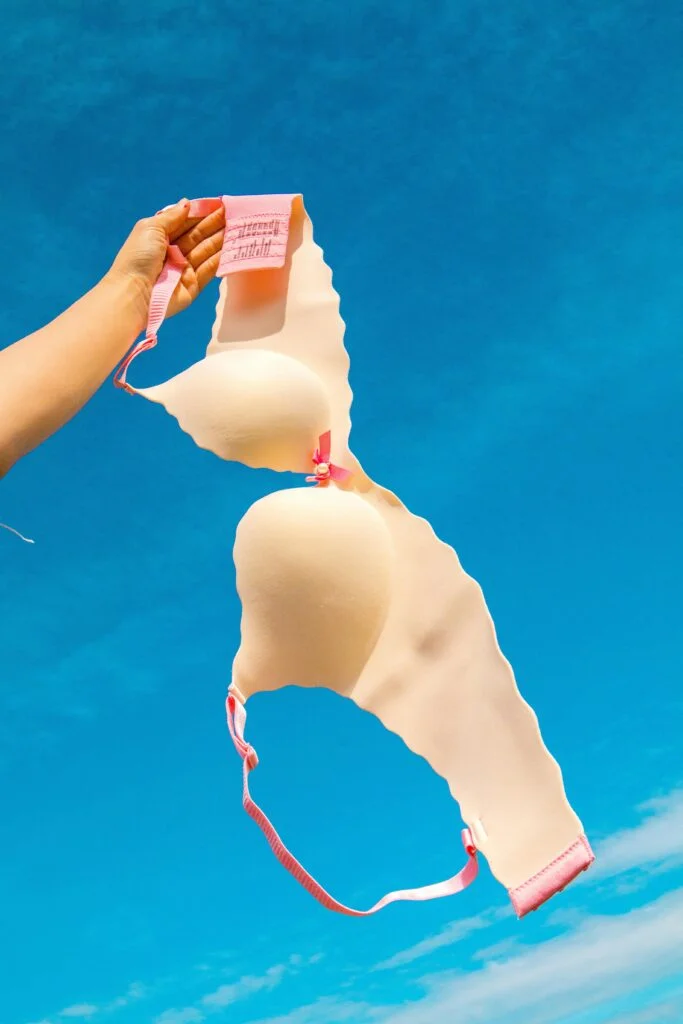
Start with foam cups from fabric stores or online suppliers. Molded cups work best for most projects. You’ll also need a sharp fabric scissors, pins, thread that matches your garment, and a sewing machine or needle for hand-stitching.

Choose cups one size smaller than your usual bra size. This prevents gaps and creates a smooth fit. For example, if you wear a 34C bra, select 34B cups for sewing projects.

Preparing Your Garment

Mark the placement carefully before cutting anything. Put on your garment inside-out and have someone help you mark where the cups should sit. The bottom edge of each cup should align with your natural bust line. Make small marks with chalk or removable fabric marker.

Create a small opening in the lining or create a pocket between the main fabric and lining. For garments without lining, you’ll need to add a fabric pocket or sew the cups directly to the inside of the garment.

Step-by-Step Installation

Place the cup against the marked area and pin it in position. The curved bottom edge should follow your natural bust line, while the top curves should sit comfortably without digging in.

Start sewing at the center point between the cups. Use small, even stitches to attach the bottom edge first. Work your way around the entire perimeter of each cup. Keep stitches small and close to the edge so they won’t show through to the right side of the fabric.

For the top edge, use a gentle stretch stitch or zigzag to allow for movement. This prevents the fabric from pulling or puckering when you move.

Professional Tricks and Tips

Pre-shape your cups by gently steaming them with an iron (use a press cloth). This helps them conform to your body shape better.

Test the fit before final stitching. Put the garment on and check for gaps, pulling, or uncomfortable pressure points. Adjust the position if needed.

Add elastic strips along the bottom edge for extra security. This prevents the cups from shifting during wear.

Use bias tape to finish raw edges on lightweight fabrics. This prevents fraying and adds durability.

Double-layer thin fabrics in the cup area to prevent show-through. Cotton voile, silk charmeuse, and jersey often need this reinforcement.

Sizing and Fit Adjustments

If cups feel too large, don’t size down further. Instead, add small darts at the top edge to reduce volume. Pinch excess fabric and sew it into a small triangle-shaped dart.

For gaps at the sides, add elastic thread in the side seams. This pulls the fabric closer to your body for a smoother fit.

When cups feel too small or create quadriboob effect, remove them and size up. Never try to stretch cups to fit – this damages both the cups and your garment.

Add Bra Cups To Your Garments

Different Garment Types

Strapless dresses need extra anchoring. Sew clear elastic strips from the cups to the side seams for added security.

Swimwear requires waterproof thread and multiple rows of stitching. Test your thread choice on scraps first to ensure it won’t dissolve in chlorine.

Knit tops need stretch stitches throughout. Use a ballpoint needle to prevent runs in the fabric.

Formal gowns benefit from professional-grade cups with better shaping and support.

Common Mistakes to Avoid

Don’t place cups too high – this creates an unnatural shape. The bottom edge should sit at your natural bust line, not above it.

Avoid pulling fabric tight while sewing. This creates puckering and discomfort. Let the fabric lie naturally as you stitch.

Never skip the fitting step. What looks right on a hanger might not work on your body.

Don’t use regular thread on stretch fabrics. It will break when the fabric moves.

Bra Care 

Hand-wash garments with sewn-in cups when possible. Machine washing can shift the cups over time.

Store these garments flat or hanging to maintain cup shape. Folding can create permanent creases in foam cups.

Check stitching regularly, especially after washing. Reinforce any loose areas promptly to prevent larger repairs later.

Troubleshooting Issues

Cups showing through fabric: Add a layer of lining fabric over the cups or choose thicker main fabric.

Uncomfortable pressure: The cups might be too small or positioned incorrectly. Remove and resize or reposition.

Gaps at the neckline: Add small darts or elastic gathering to pull fabric closer to your body.

Cups shifting during wear: Add more anchor points, especially at the sides and bottom.

Frequently Asked Questions

Can I use regular bra cups from old bras? 

Yes, but remove all hardware first. Underwire can poke through fabric and hardware can snag. Soft foam cups work better than structured ones with multiple pieces.

What size cups should I buy? 

Choose one cup size smaller than your usual bra size. The fabric of your garment provides some compression, so full-size cups often create gaps.

How do I wash garments with sewn-in cups? 

Hand-wash in cool water when possible. If machine washing, use a gentle cycle and air dry. Heat can warp foam cups permanently.

Can I add cups to existing garments? 

Absolutely! This works especially well with dresses and tops that have lining. Create small openings in the lining to insert and sew the cups.

Can I add cups to existing garments? 

What thread should I use? 

Match your thread to the garment fabric color. For stretch fabrics, use polyester thread or special stretch thread. Cotton thread breaks on knits.

How do I know if the cups are positioned correctly? 

The bottom edge should align with your natural bust line – where your bra band normally sits. The top should follow your natural breast curve without cutting across tissue.

Can I remove cups later if I don’t like them? 

Yes, but carefully cut the stitches to avoid damaging the garment fabric. You might have small holes where the stitches were, depending on your fabric type.

Do I need special needles? 

Use ballpoint needles for knit fabrics and sharp needles for woven fabrics. Replace needles frequently when sewing through foam – it dulls them quickly.

How many anchor points do I need? 

Sew around the entire perimeter of each cup, with extra reinforcement at stress points like the bottom center and outer edges.

What if my garment doesn’t have lining? 

You can still add cups! Sew them directly to the inside of the garment or create fabric pockets using matching or coordinating fabric.

This technique opens up so many wardrobe possibilities. Once you master the basics, you’ll find yourself adding cups to all sorts of garments for better fit and confidence.

Similar Posts